Did you know that you can make your own lube in your kitchen?
Lubricant, also known as lube, is a gel-like substance that’s intended to reduce friction, making sex acts feel smoother and more comfortable. Lube can make all kinds of sex feel much better, on your own, with a partner, with toys — you name it! Buying lube can be pretty easy (you can buy lube in many drugstores) but for many reasons it can also be tricky for some people (like if you don’t have a lot of money, are under 18 and not able to buy lube from sex stores, can’t access a sexual health clinic for free samples, etc.).
If you are unable to get lube that is made specifically for sexual purposes, there are a few things you could try to make on your own!
As a general disclaimer though, it’s always a good idea to do a skin patch test before using your DIY lube. This is where you test out the homemade lube on a different area of your body that your butt or your genitals, just to make sure that you’re not going to have an allergic reaction or anything to it (which can really ruin a romantic mood). A good place to test is on the inside of your elbow. Keep in mind that you know your body best, and some of these products may not work for you, but there are still lots of options!
Planned Parenthood Toronto [Link] and many sexual health clinics offer free lube samples, but if that’s not accessible for you, here are some alternatives:
Here are some links with more ideas and strategies for DIY lube:
Check out our Making Safer Sex Sexy info page for information on non-DIY lube [Link].
If you have questions about this topic, feel free to contact one of our peer educators. [Link]
Last Updated: April 2020
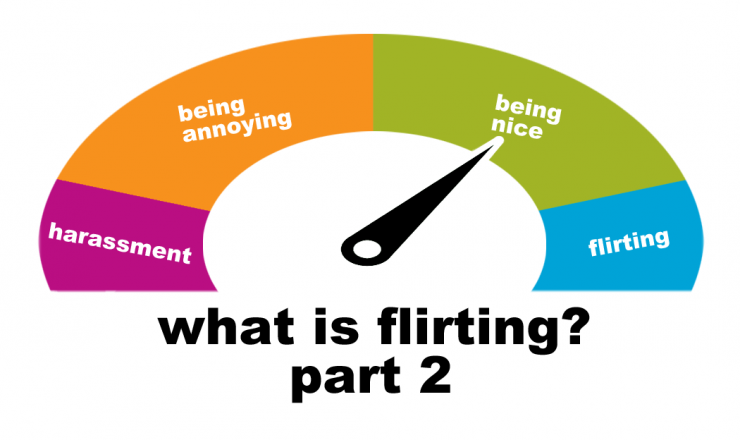
In this series we’re going over how people might want to think about interacting with a crush. Our first post covers ways we can understand and define flirting, this post goes over what isn’t flirting, and our next post shares some ways people can try to flirt with their crushes. Let’s go!
Erections – they’re more complicated than we think! This article has some background on potential reasons why people have difficulty getting and maintaining erections. Check it out!
Periods can often trigger sensory issues for people who are sensitive to things that we see, touch, hear, smell, or taste. This article covers period products and strategies than can help people manage the sensory experiences of periods.